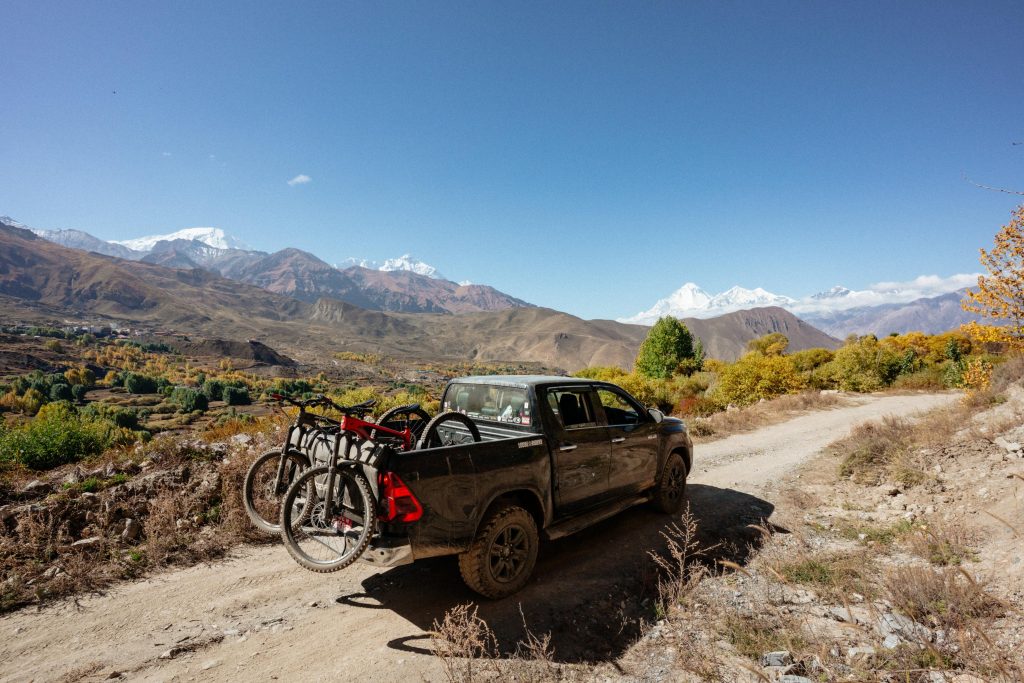
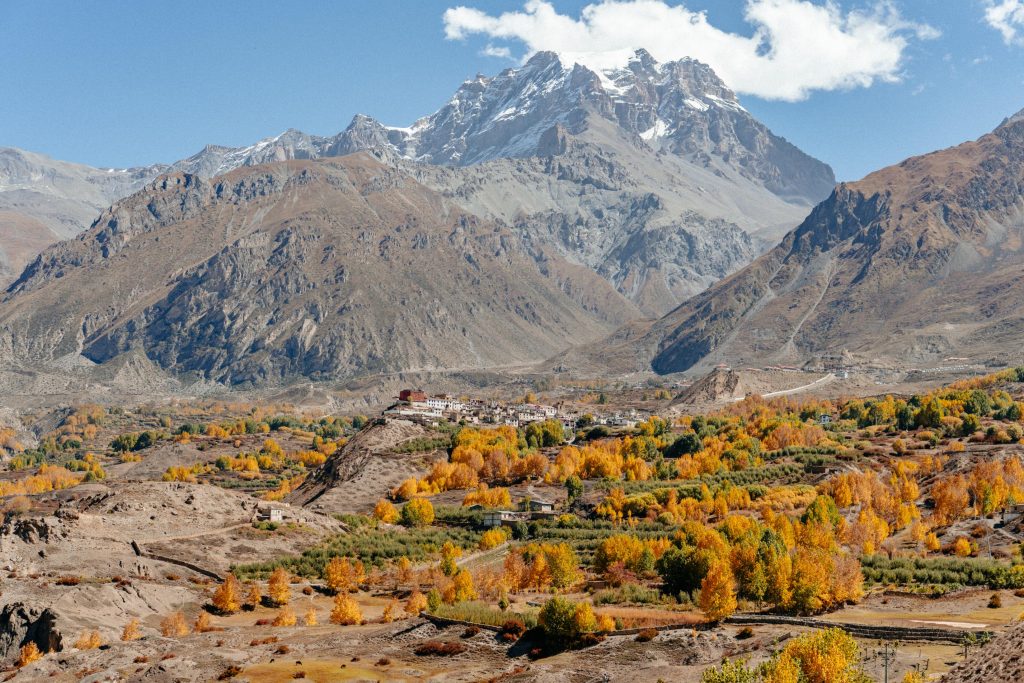
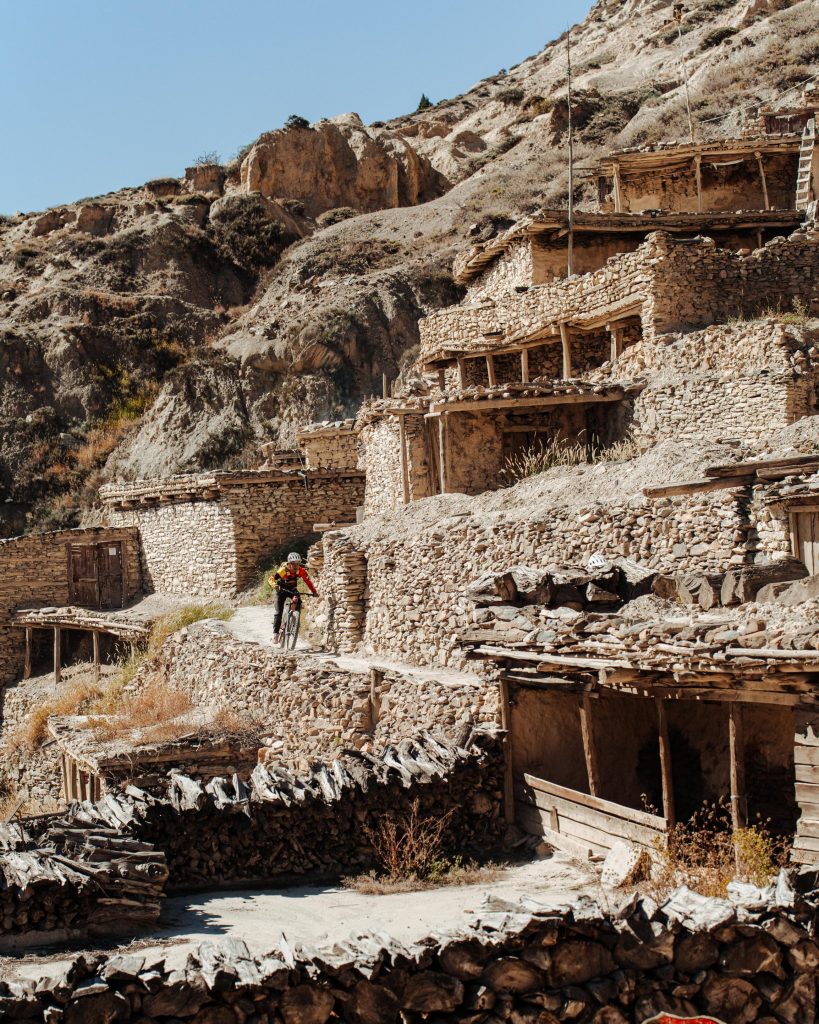
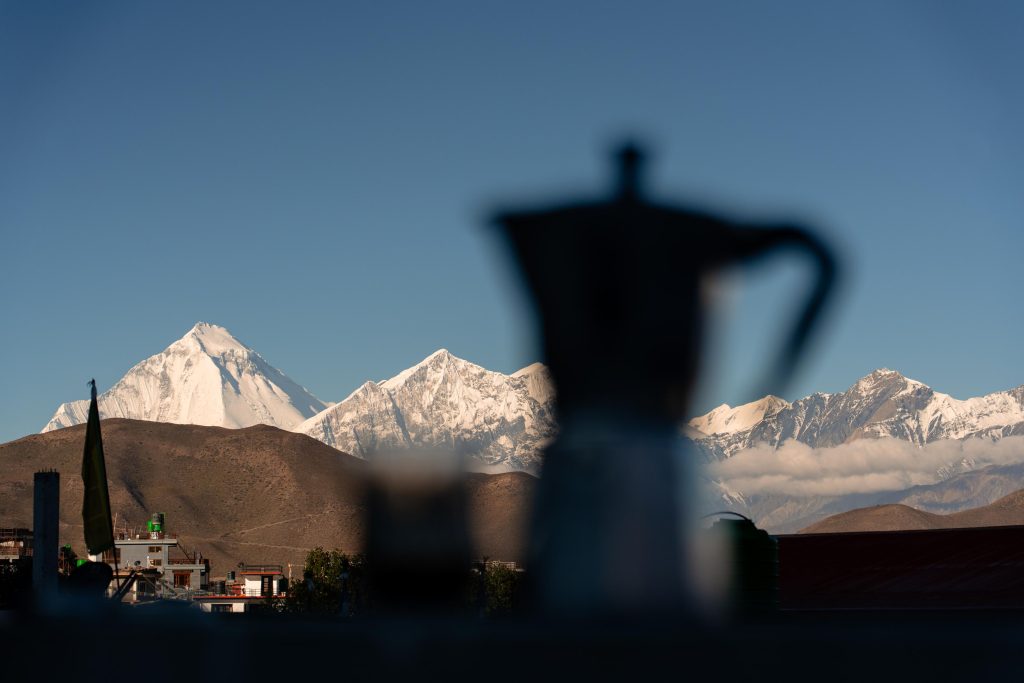
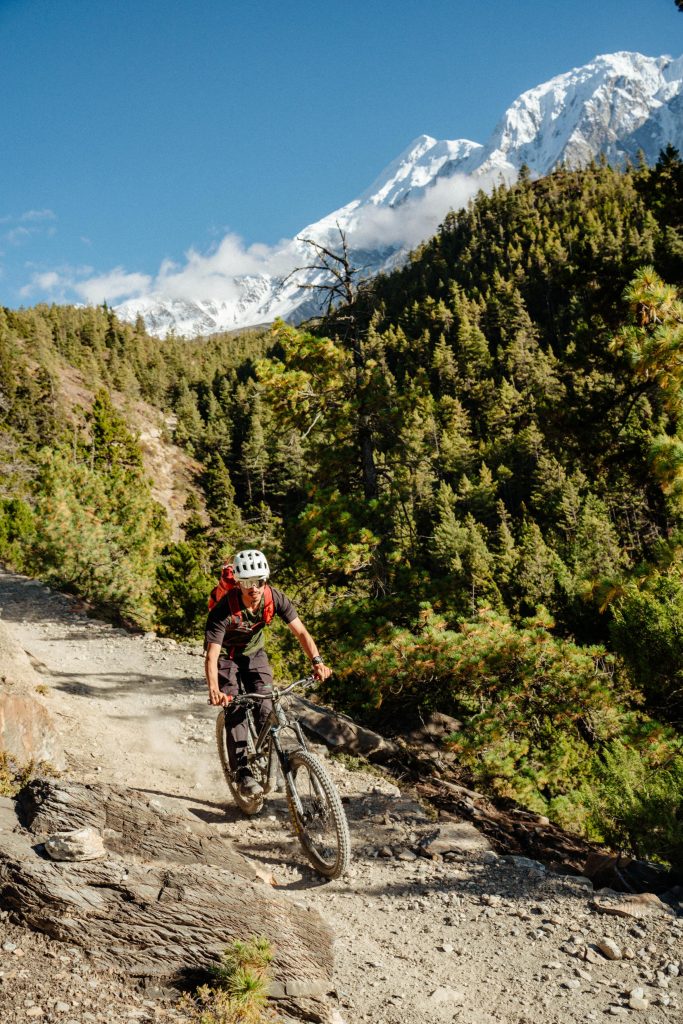
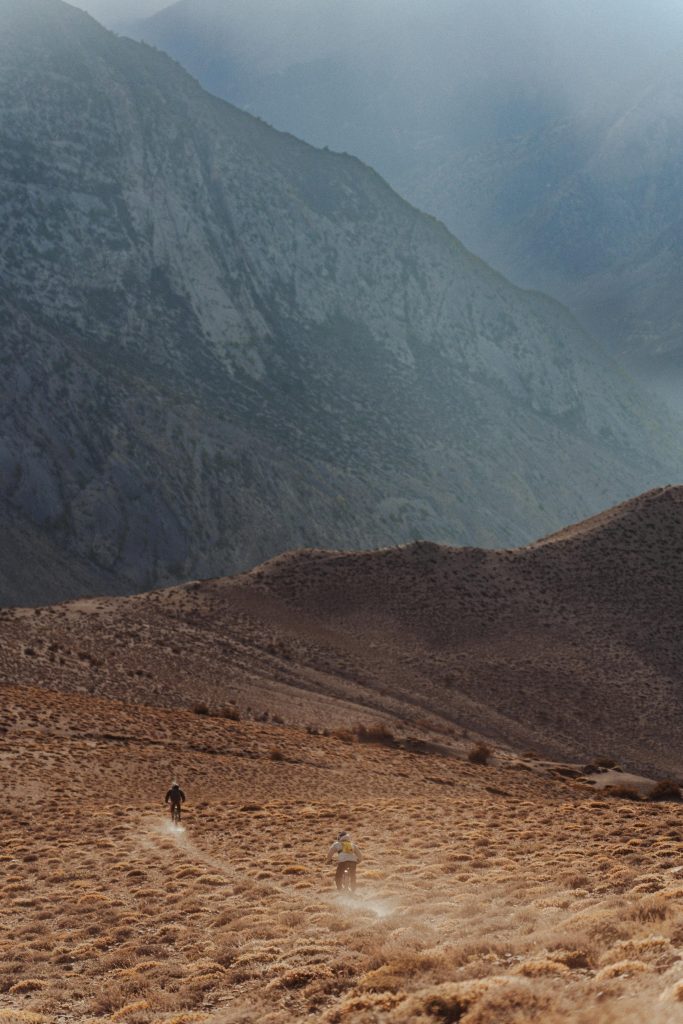
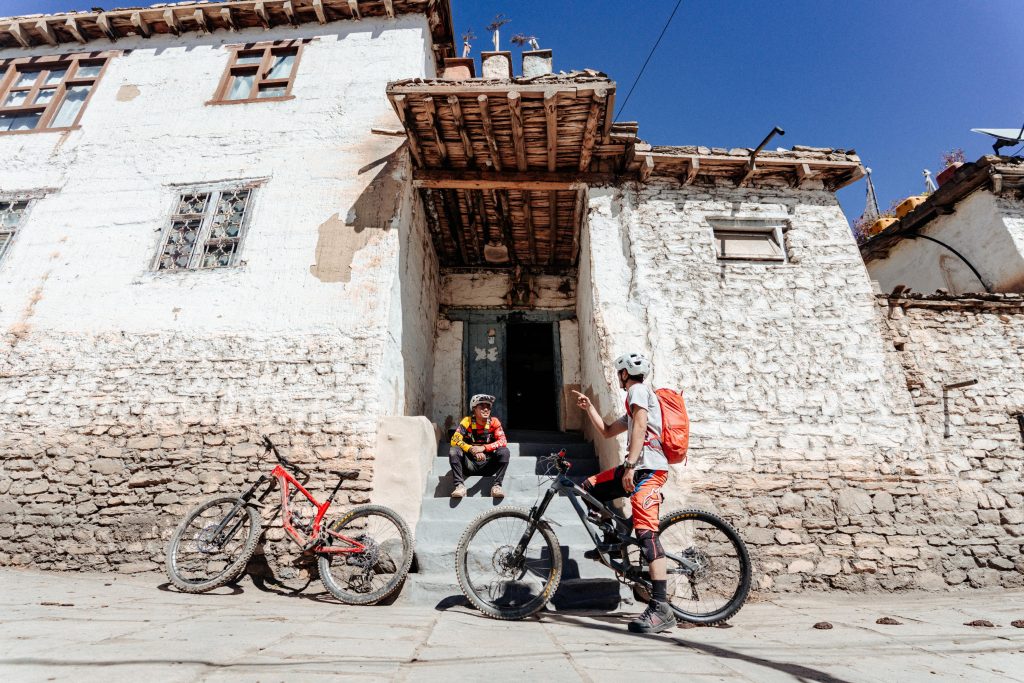
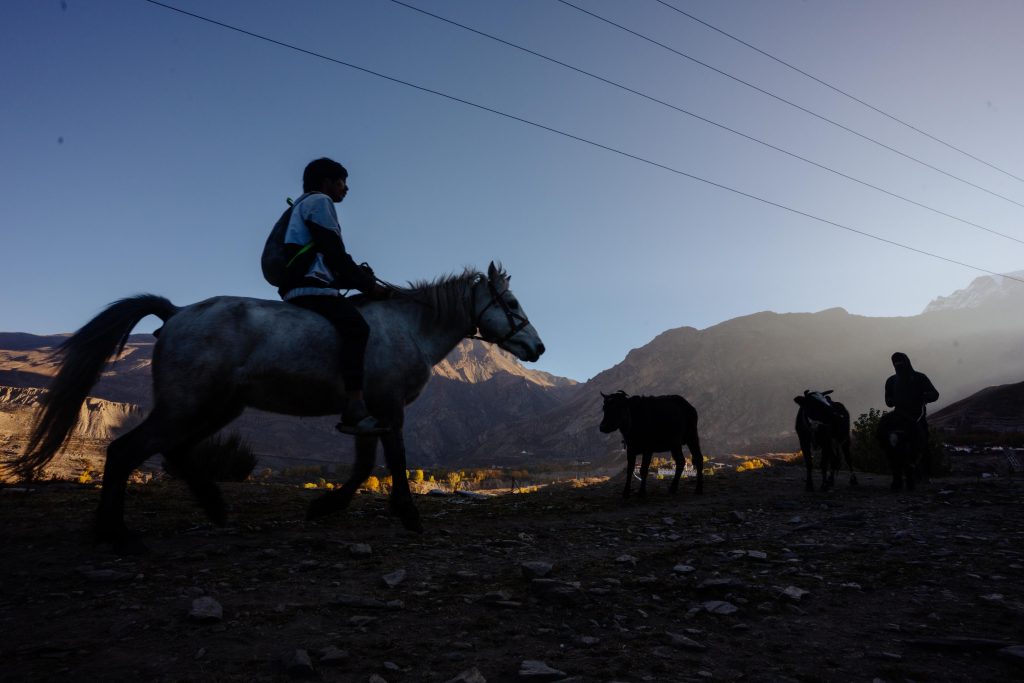
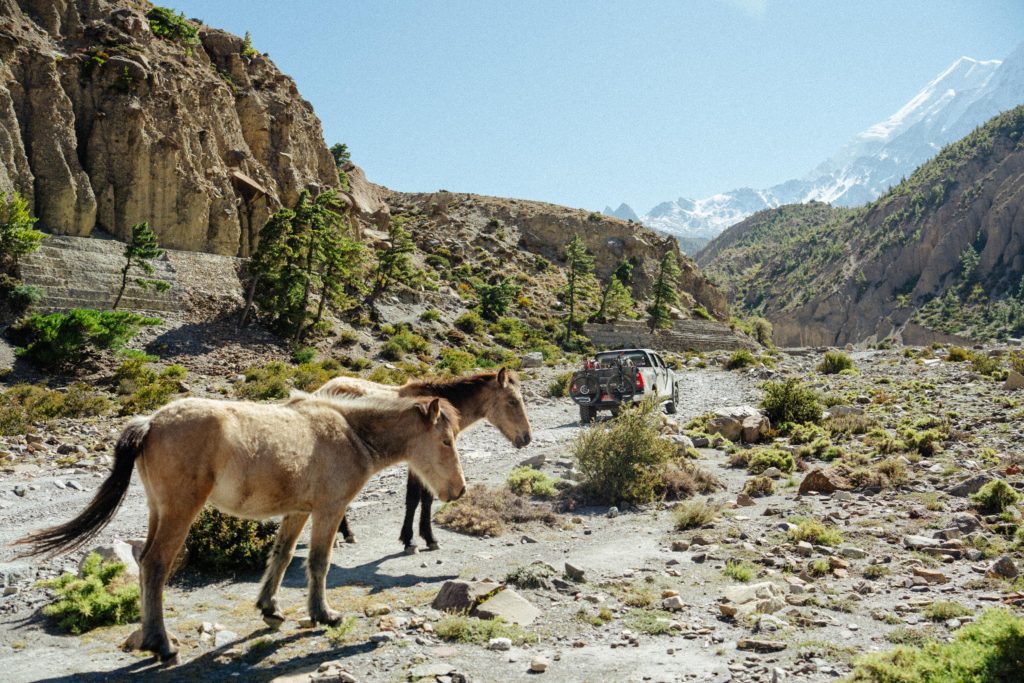
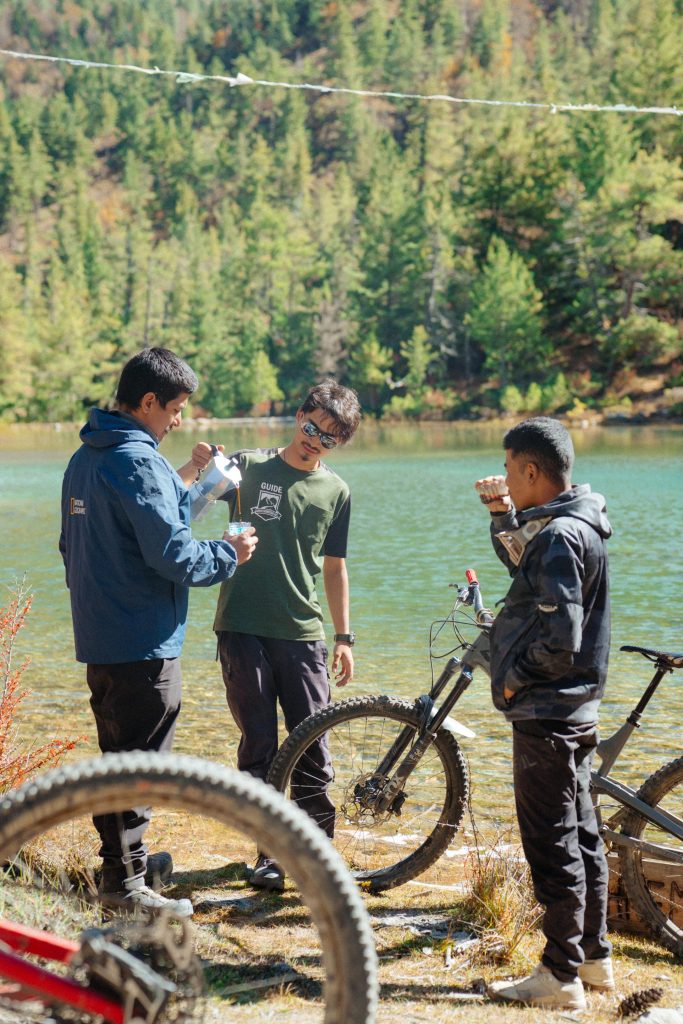
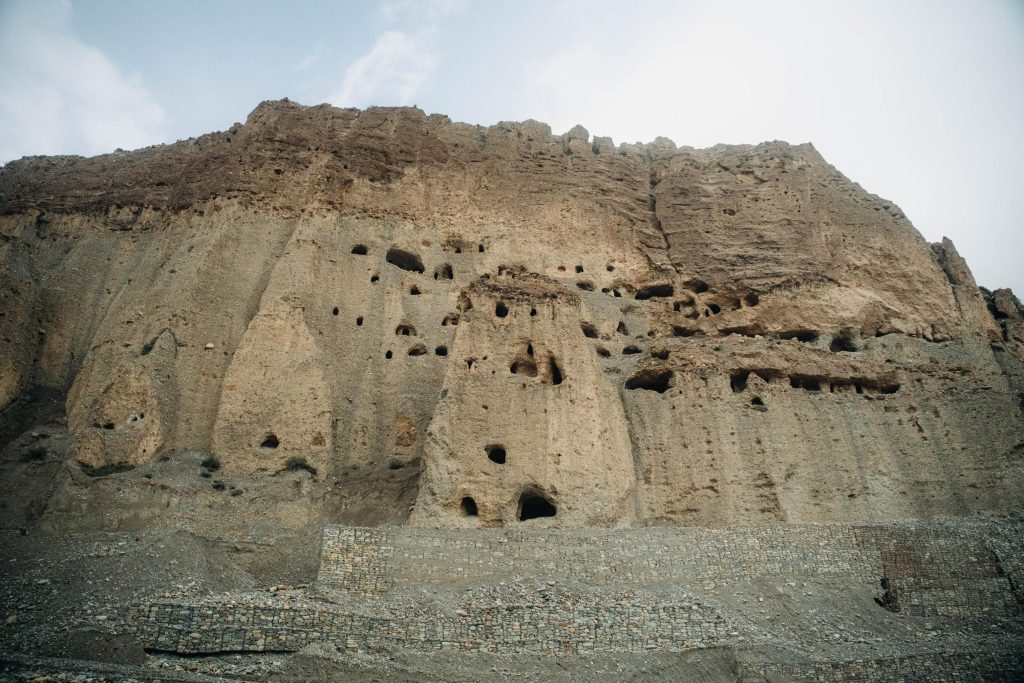
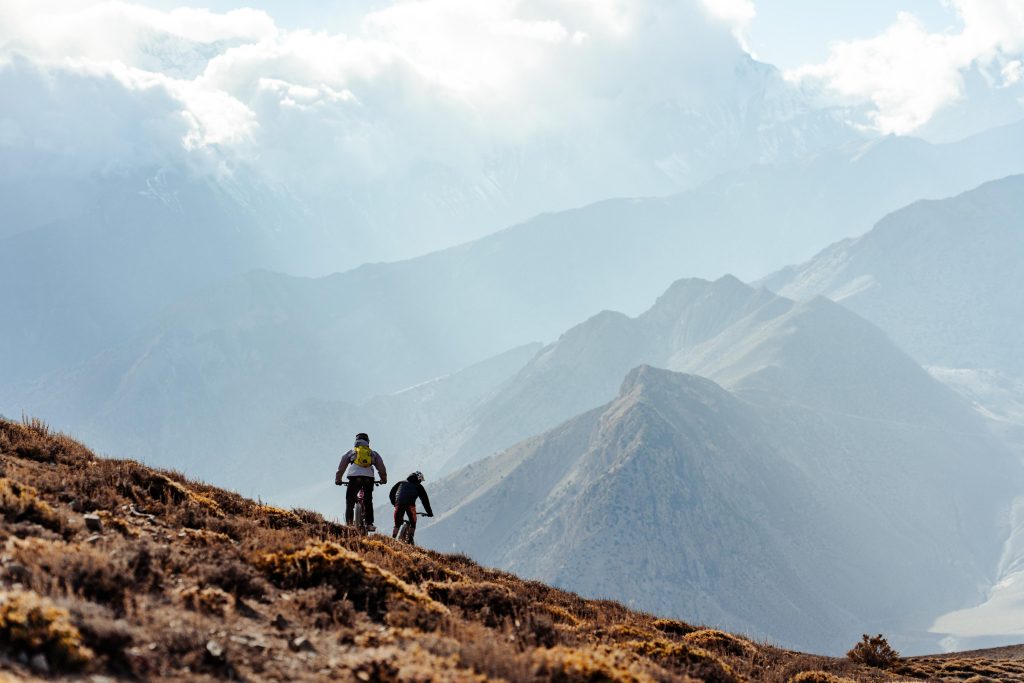
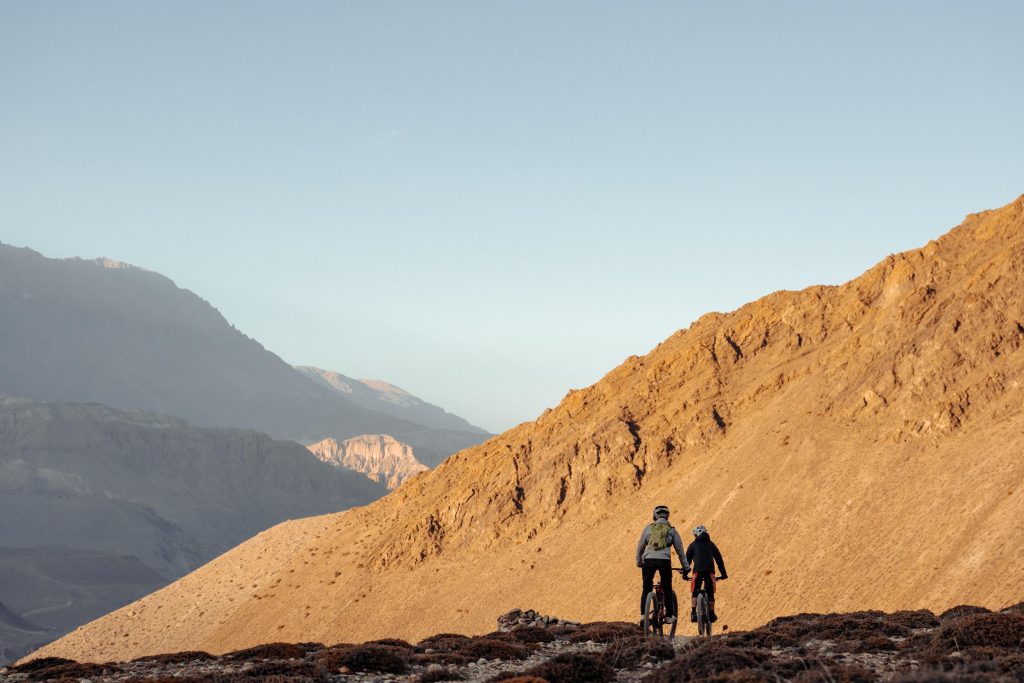
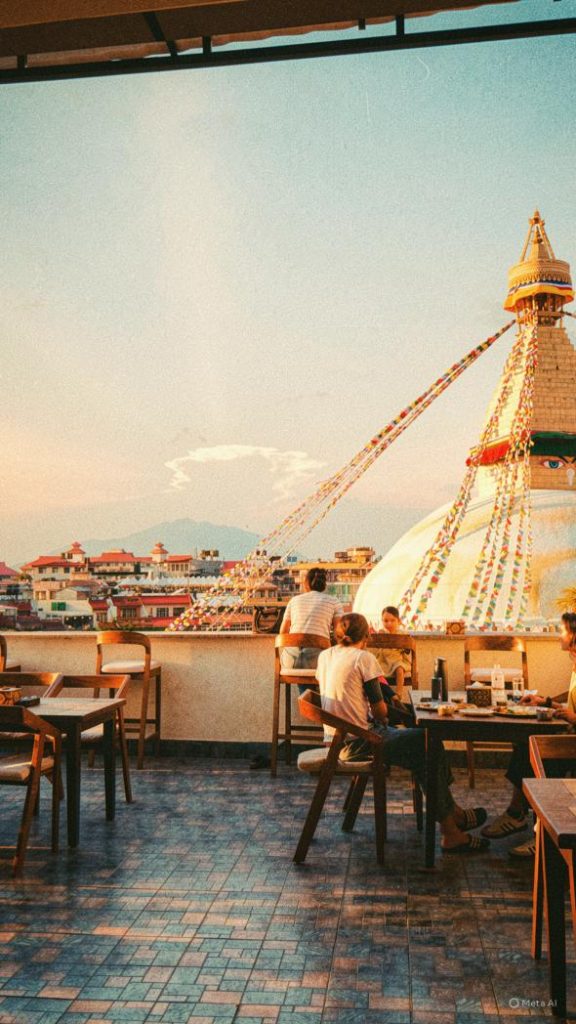
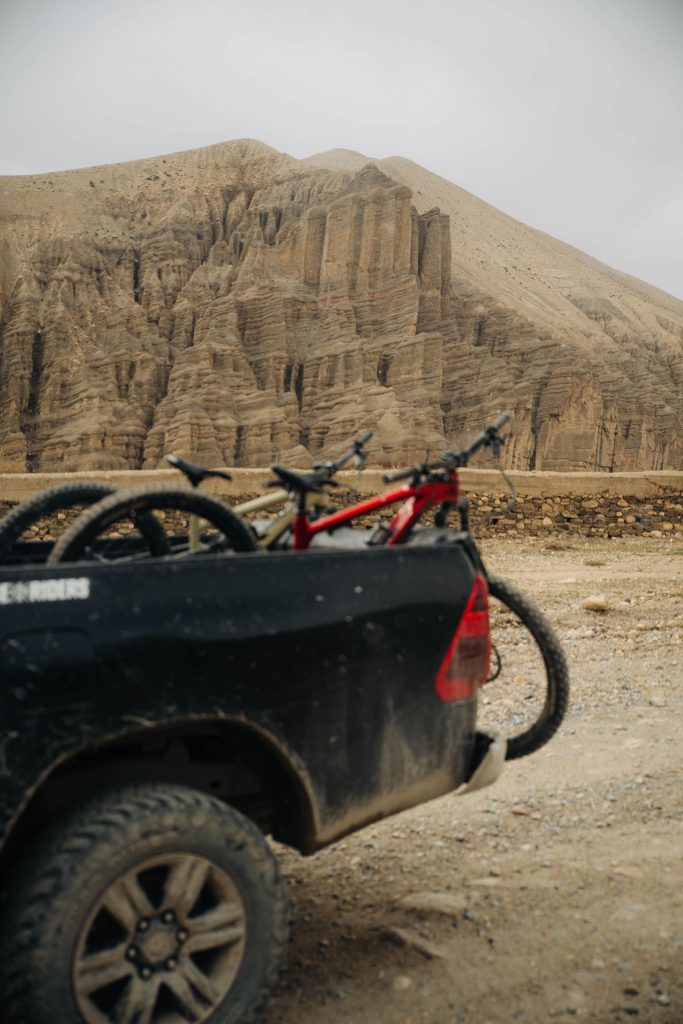
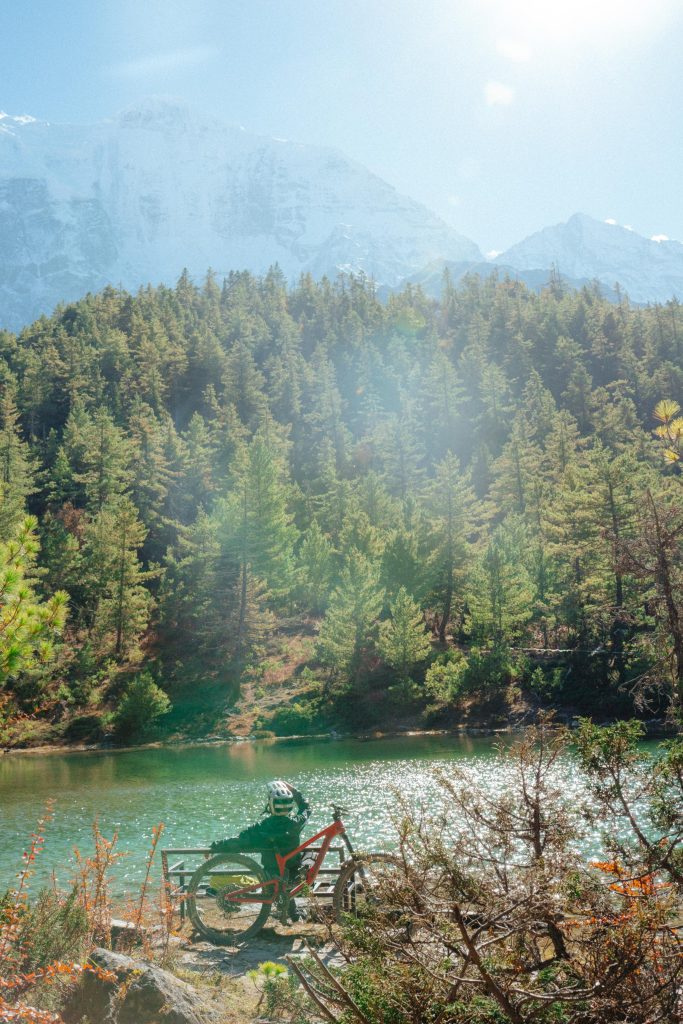
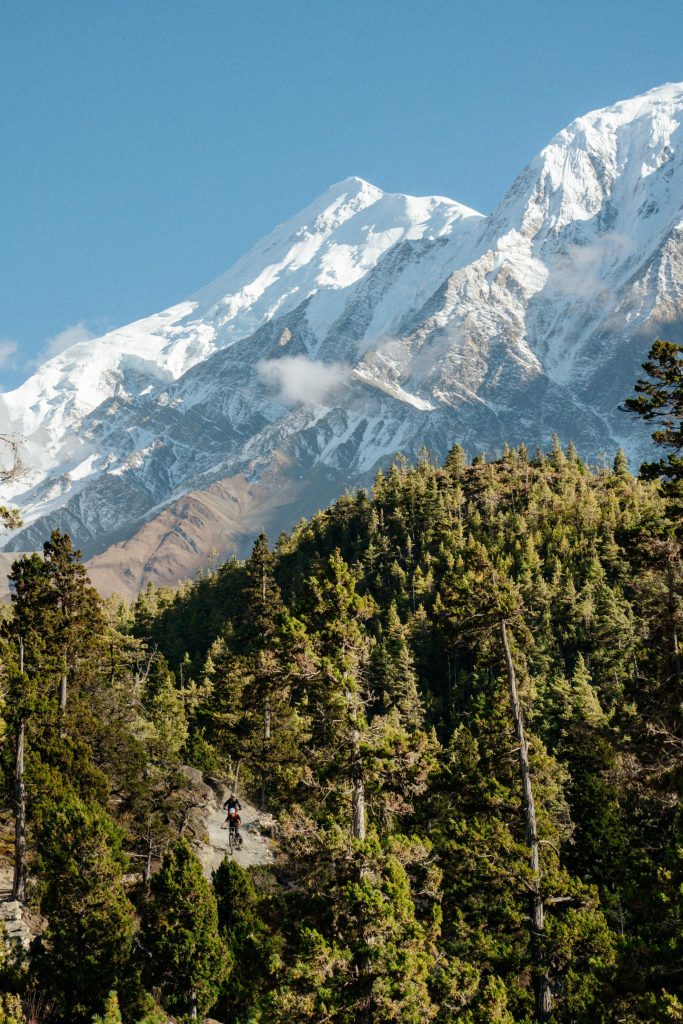
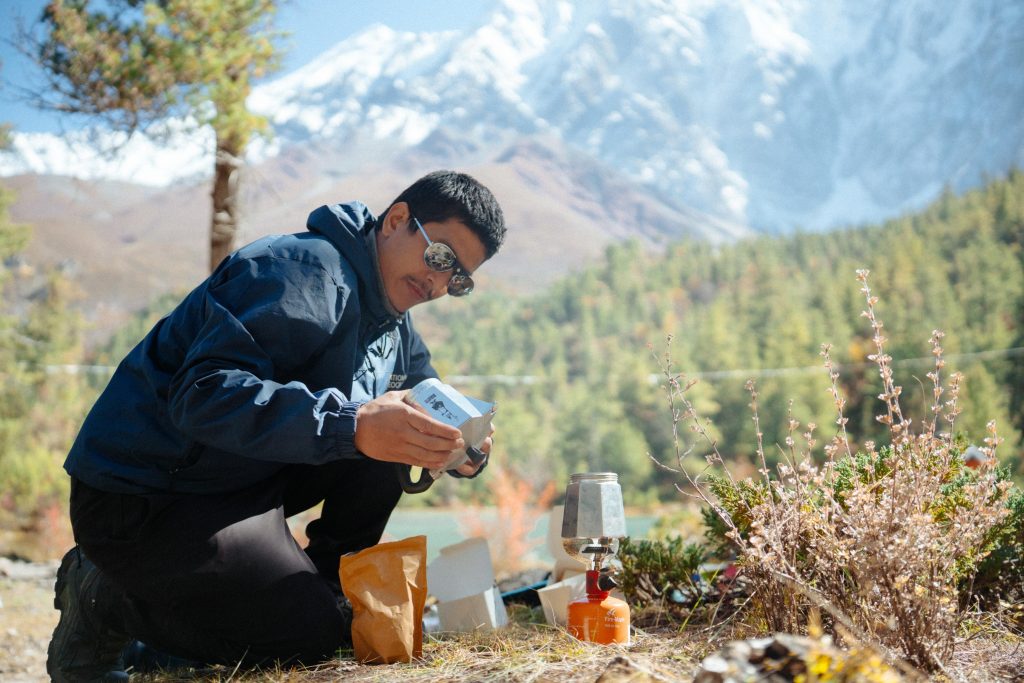
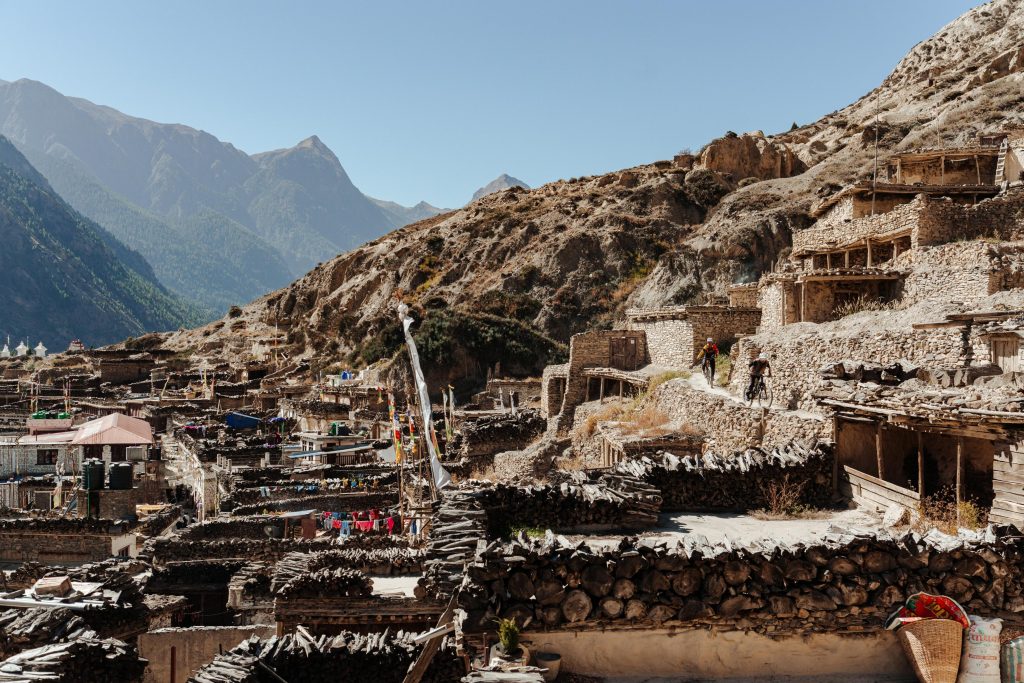
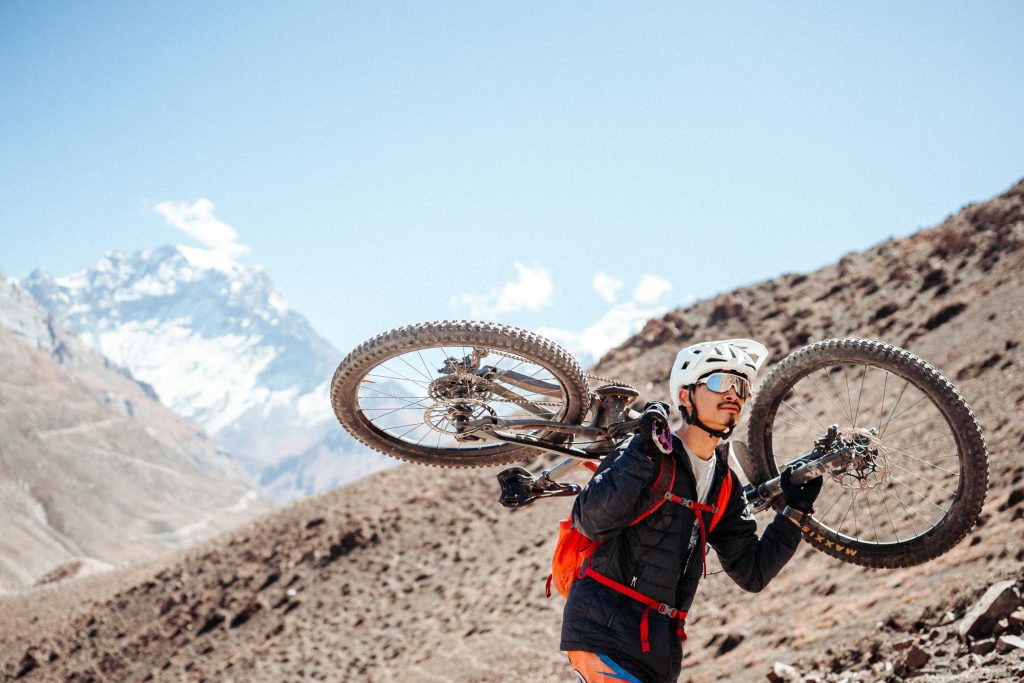
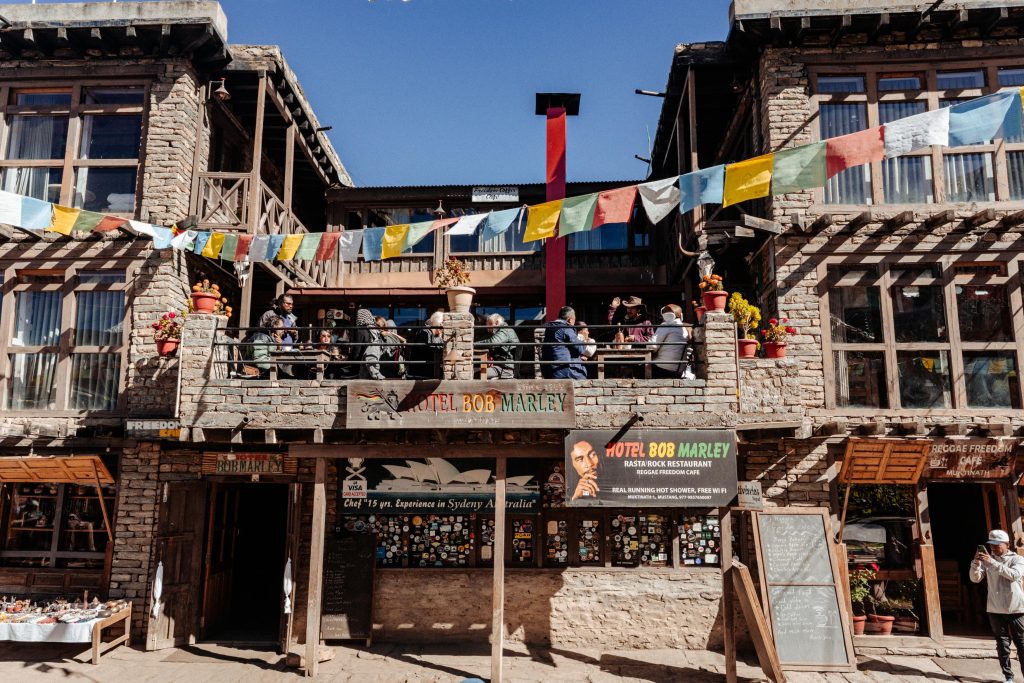
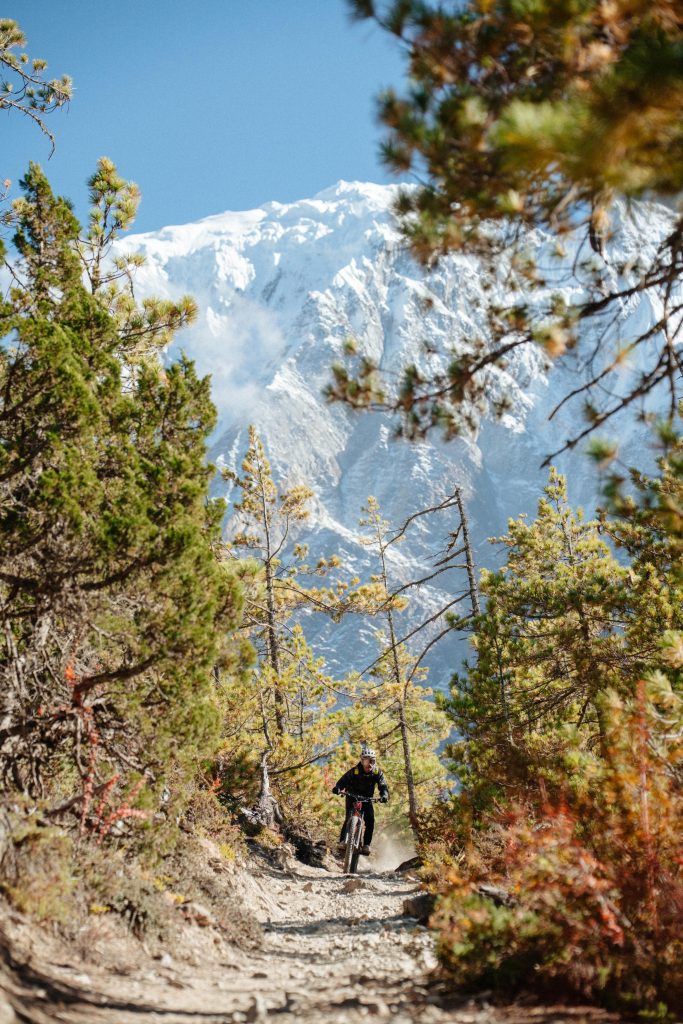
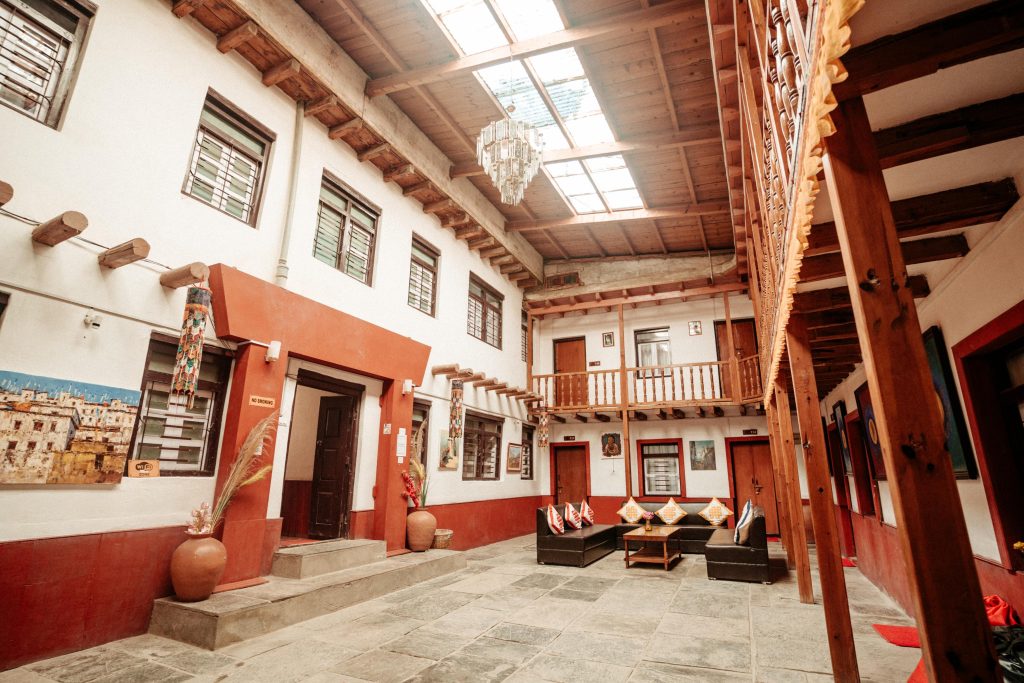
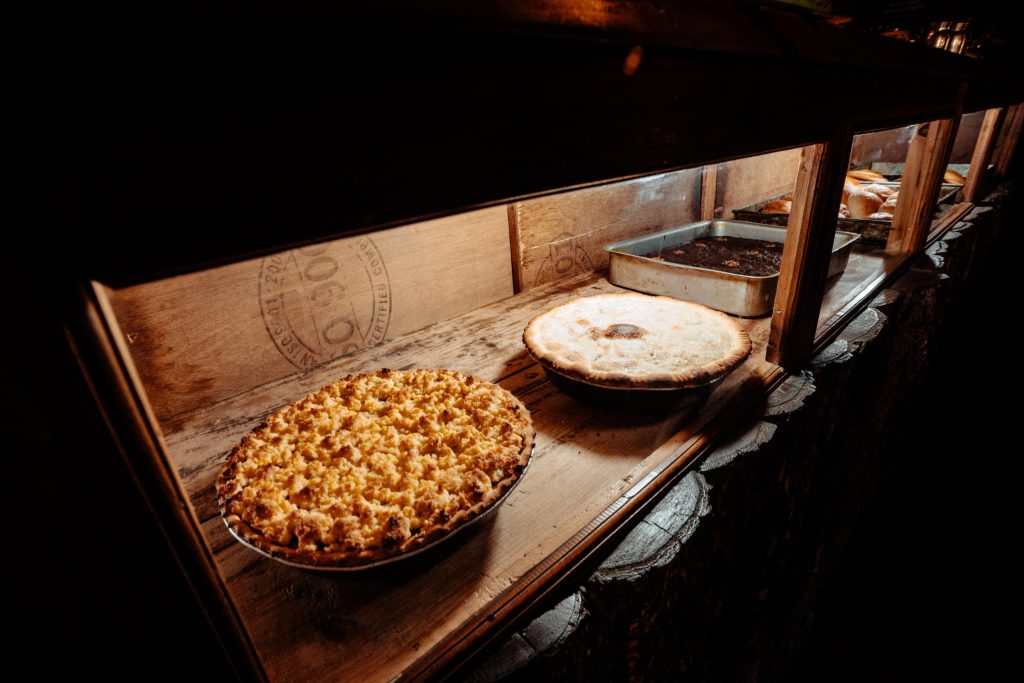
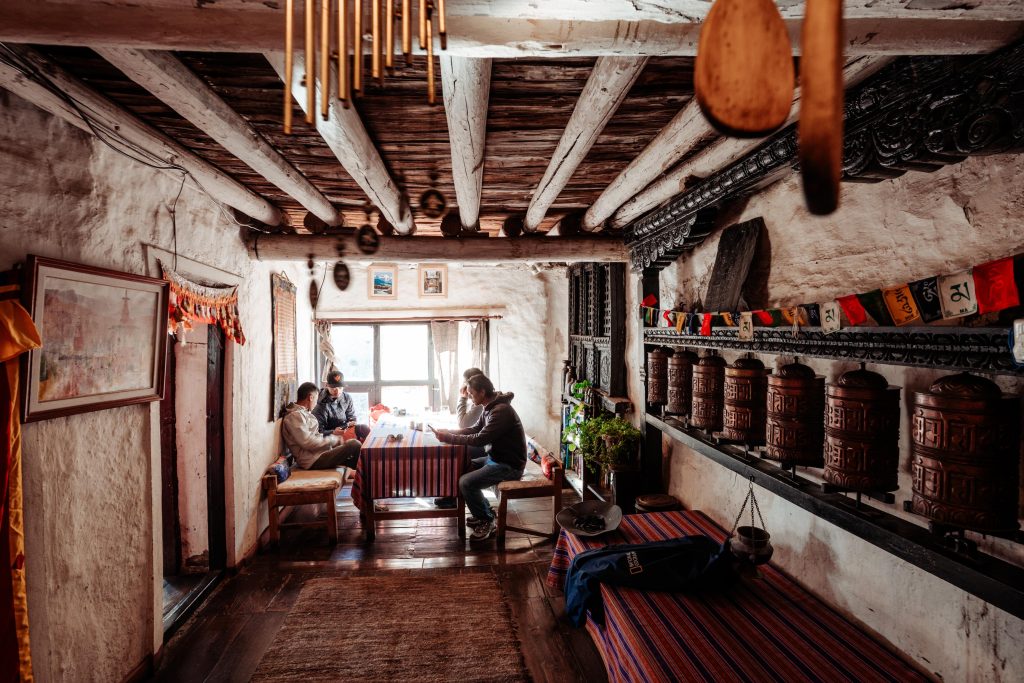
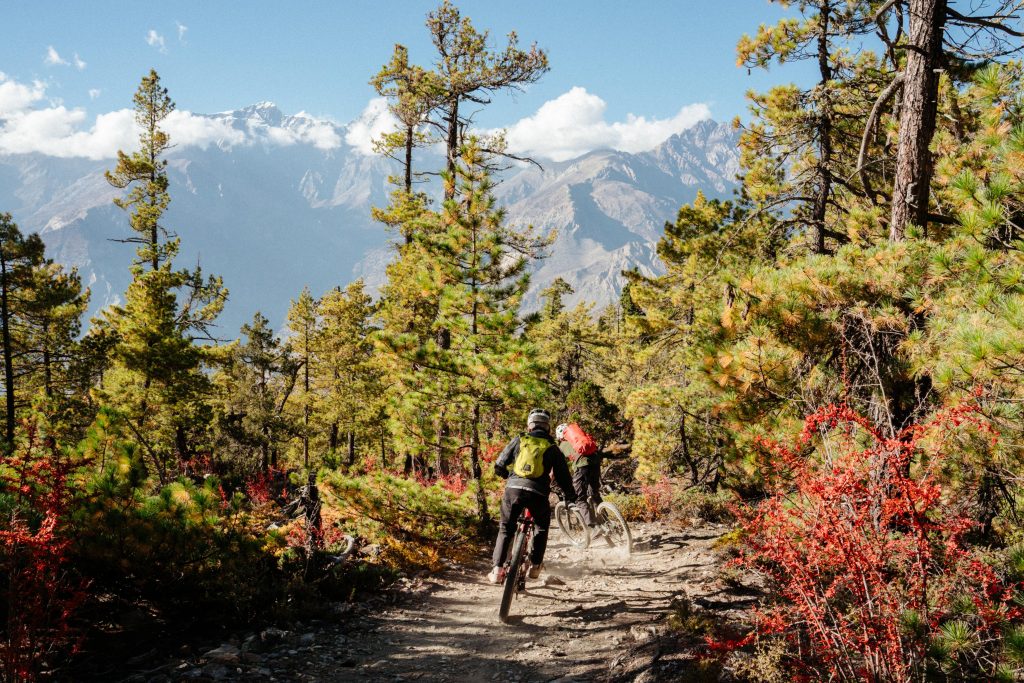
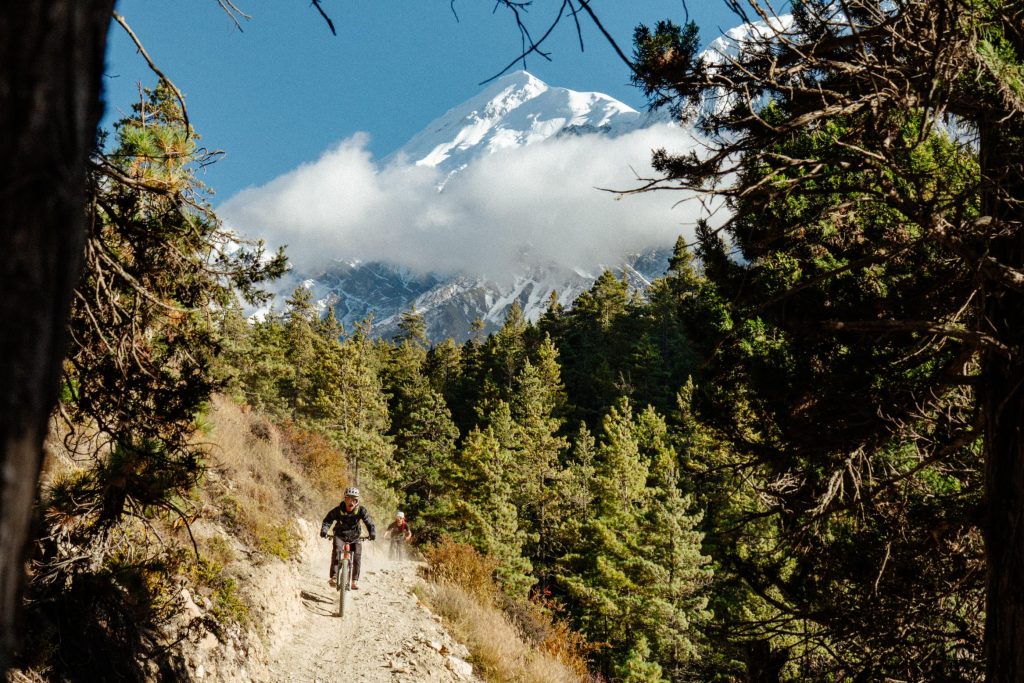
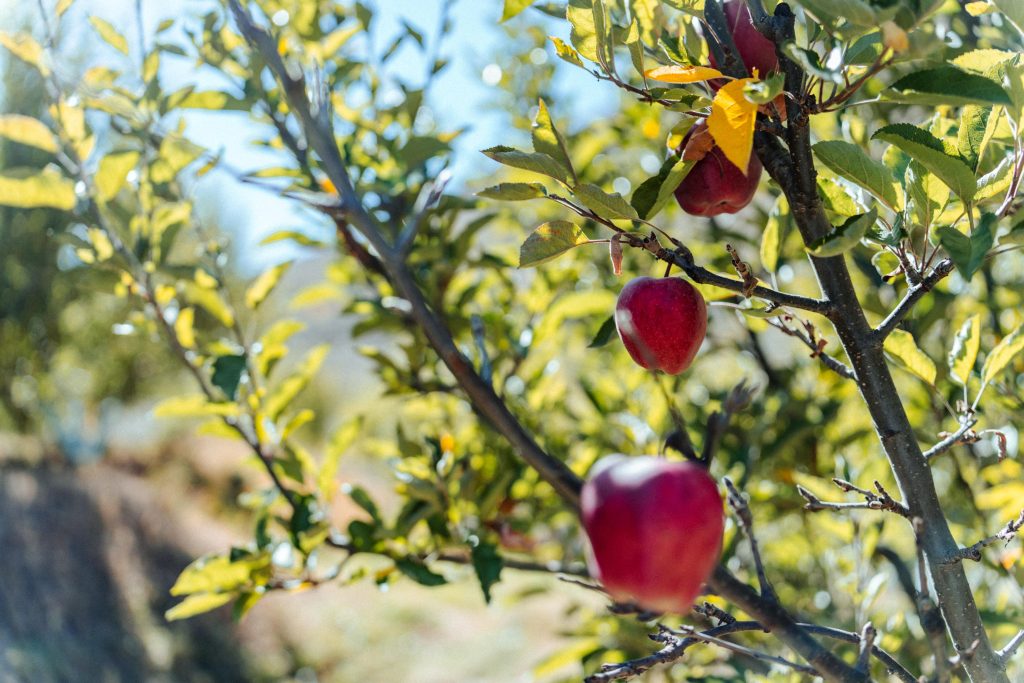
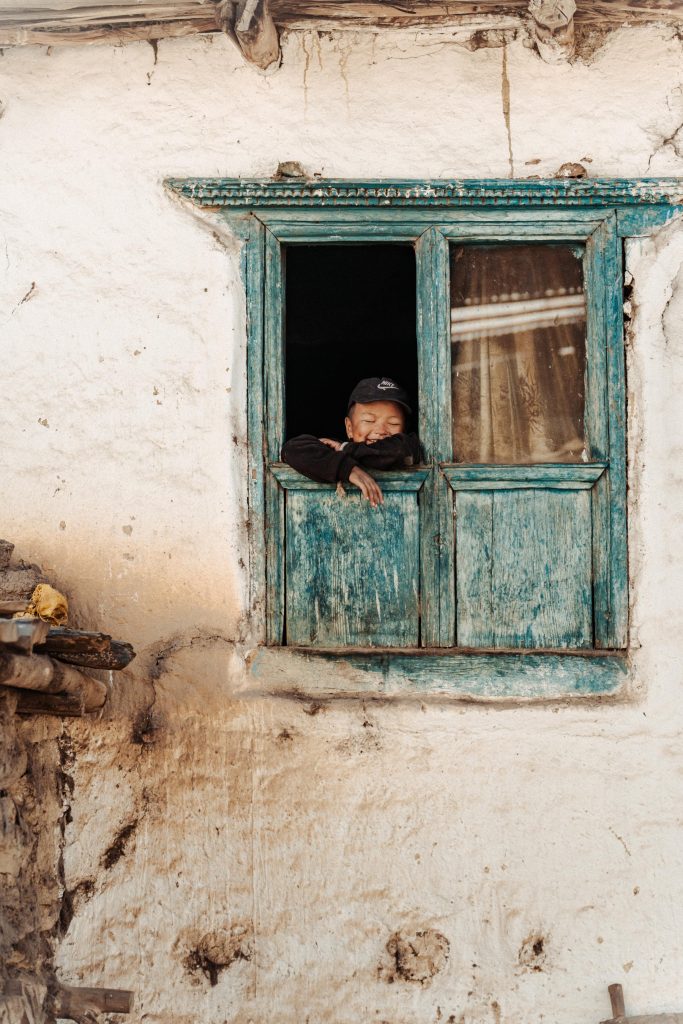
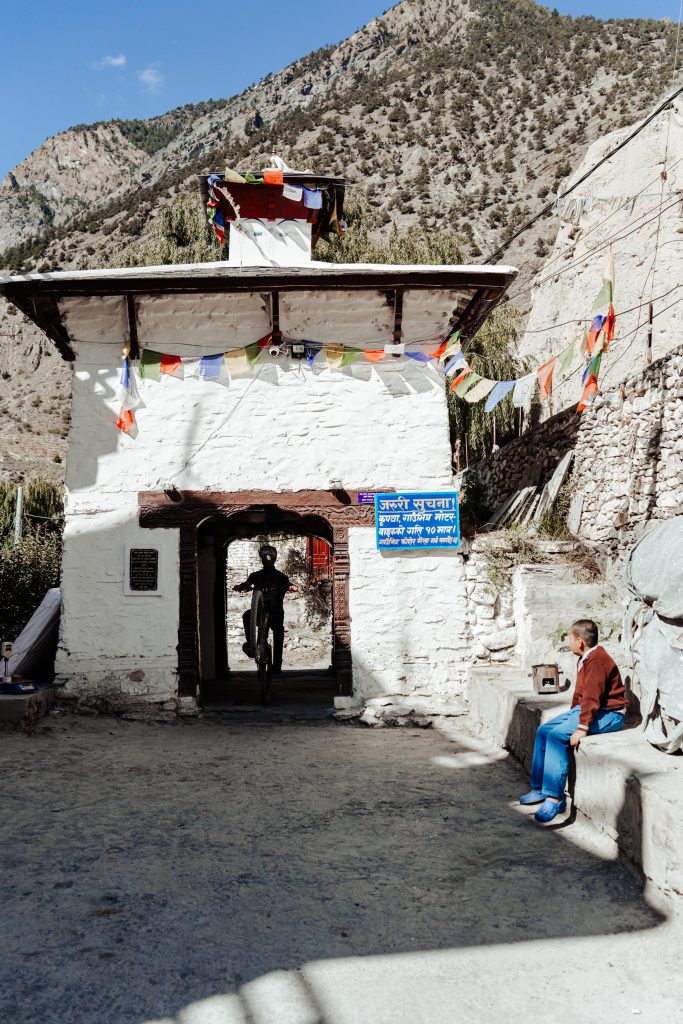
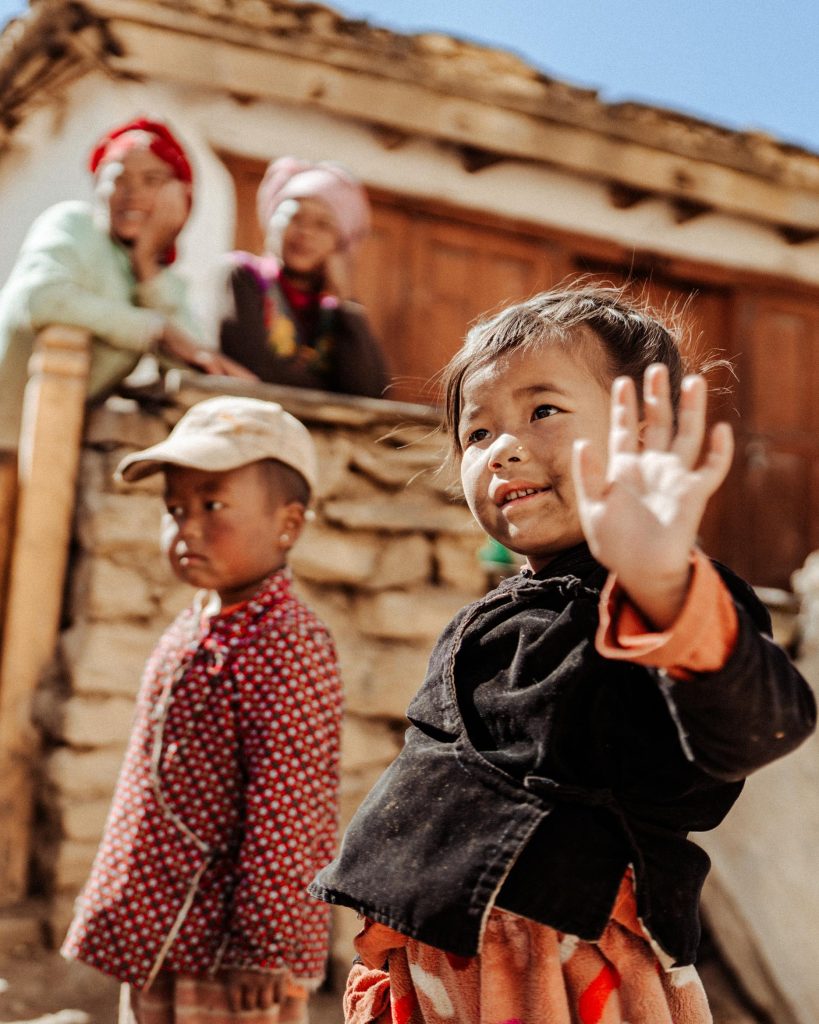
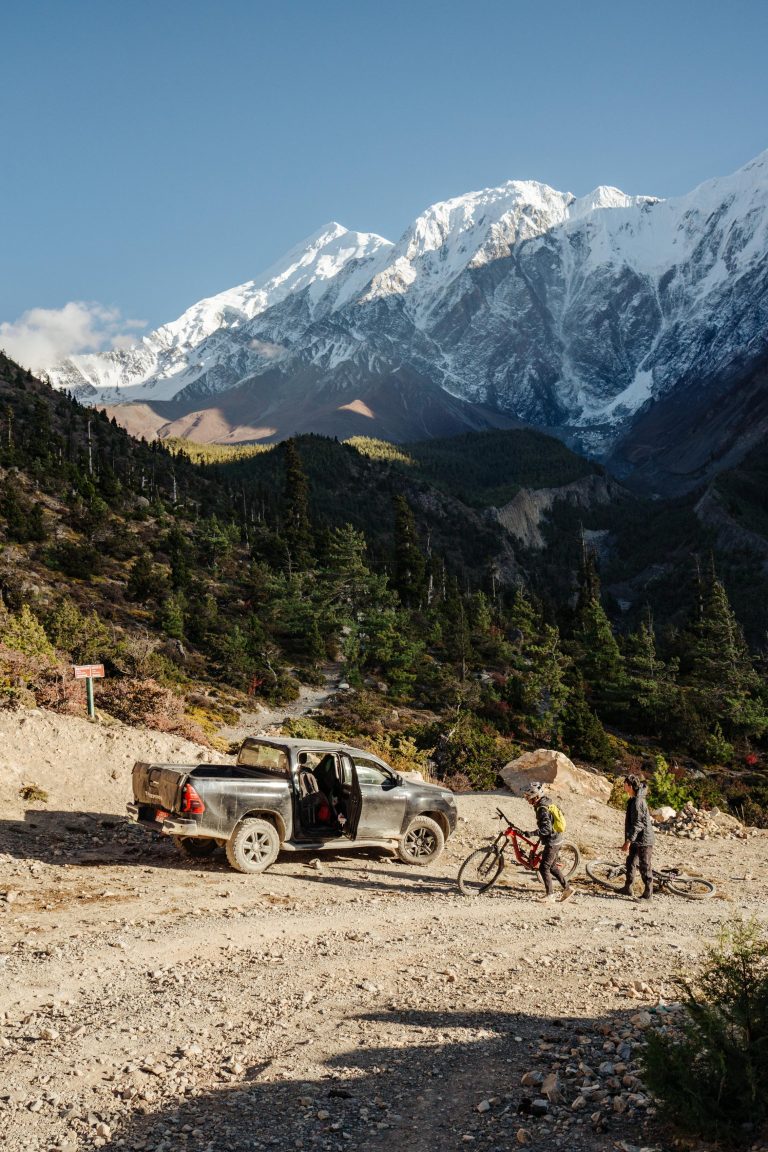

From sacred high-mountain passes to dusty singletracks. Take a visual journey through the landscapes and culture that define our adventures.
All international flights land at Tribhuvan International Airport (KTM) in Kathmandu. There are no direct flights from Europe or North America, but connections are smooth through main Middle East and Asian hubs.
Most nationalities can get a Nepal tourist visa on arrival at Kathmandu Airport. It is one of the most straightforward visa processes in Asia. Indian citizens do not require a visa.
While Lower Mustang trails are highly accessible, Upper Mustang is a strictly regulated Restricted Area where independent entry is completely prohibited. You must be accompanied by a licensed guide from a registered agency.
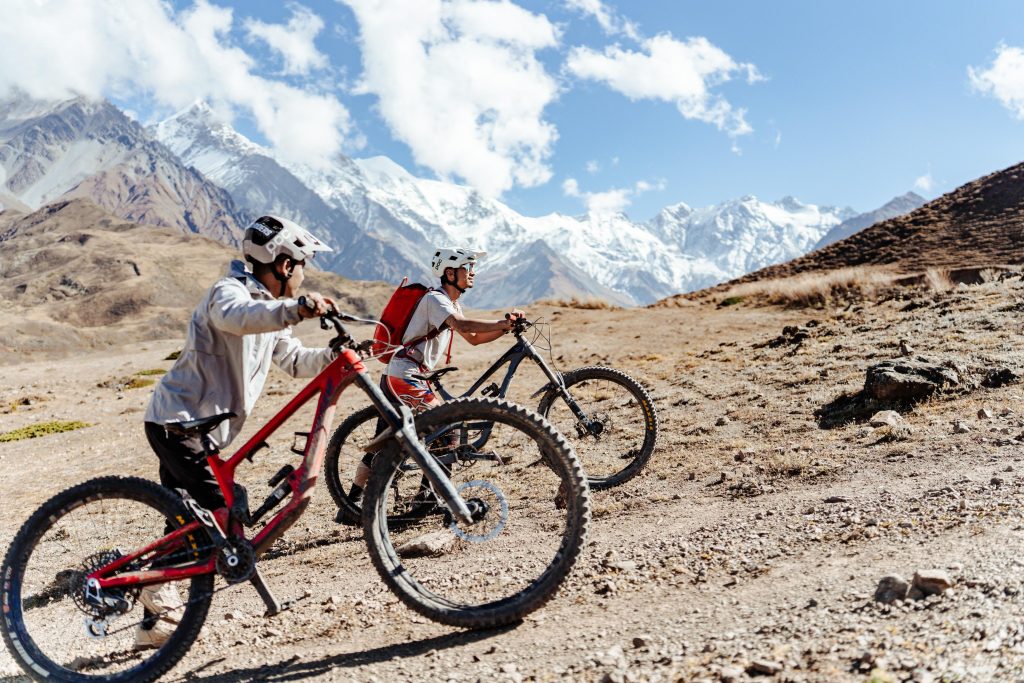
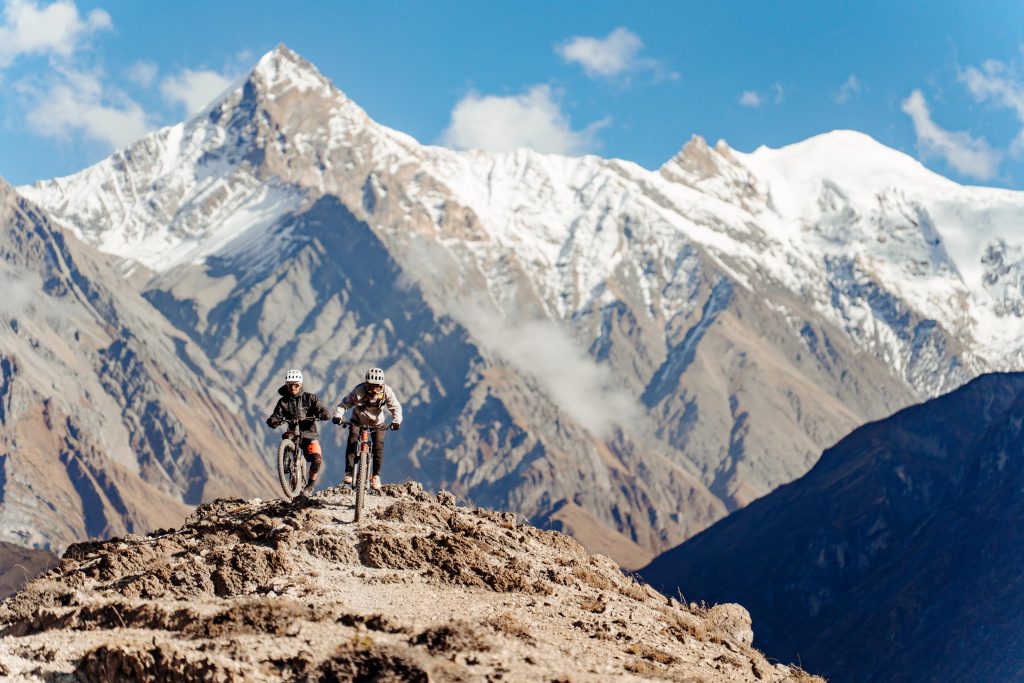
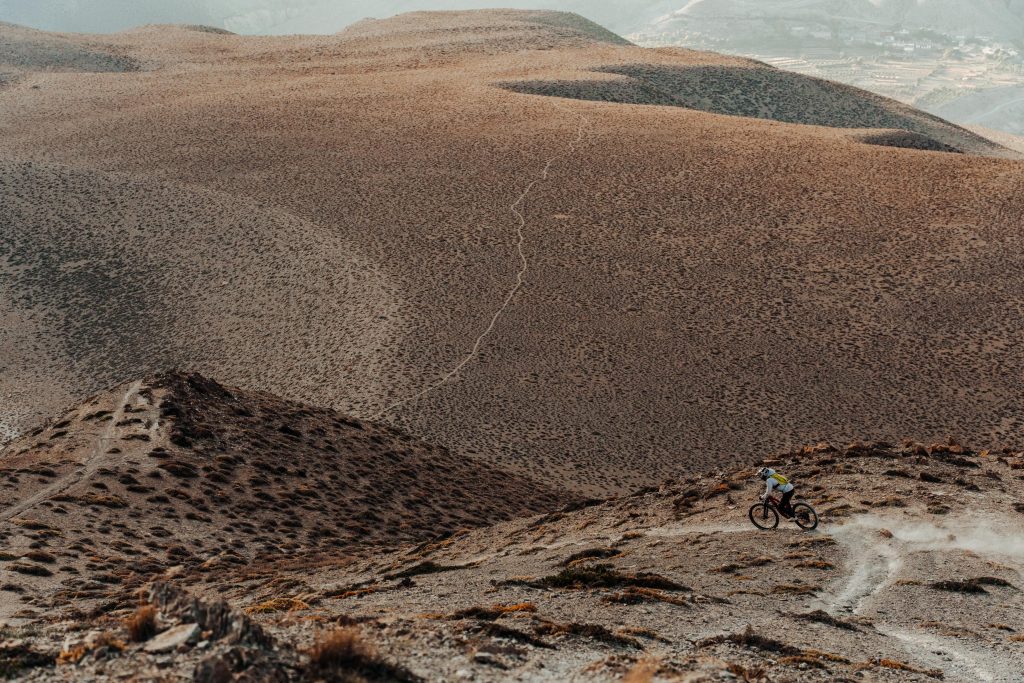
We strongly recommend bringing your own bike if possible. The trails in Mustang are loose, dusty, and highly rocky with long, sustained descents. Riding a bike you know and trust makes an incredible difference.
You will be riding in intense desert heat at midday and sitting at 4,000m when icy winds pick up. Strategic layering is absolutely mandatory.
Altitude affects everyone completely differently—frequently hitting elite riders just as hard as recreational cyclers. Fitness level is not a shield; gradual acclimatization is everything.
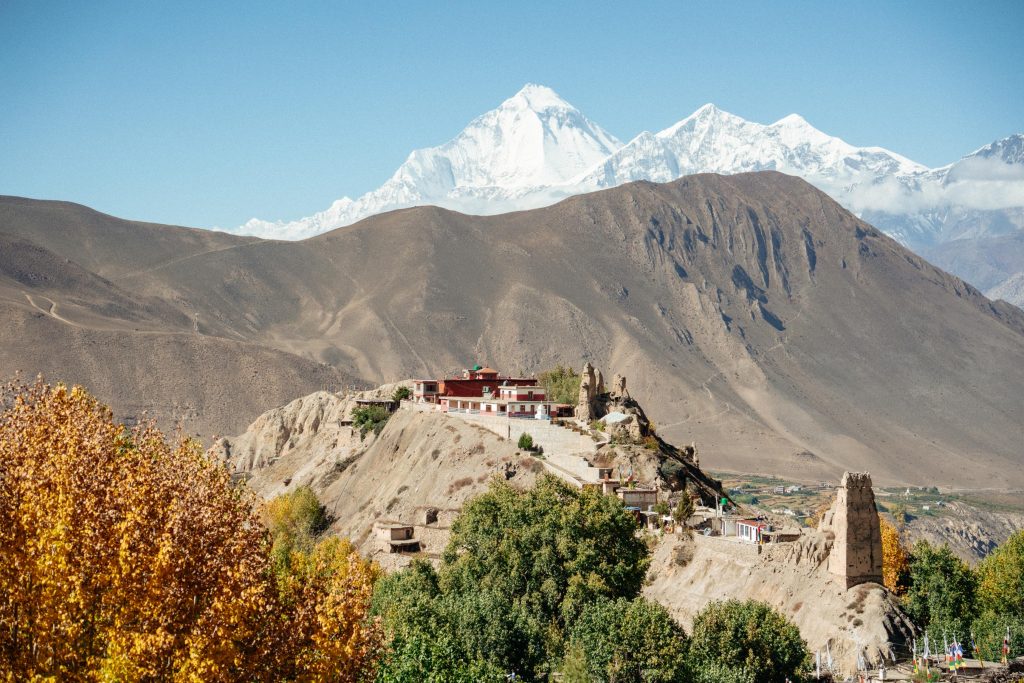
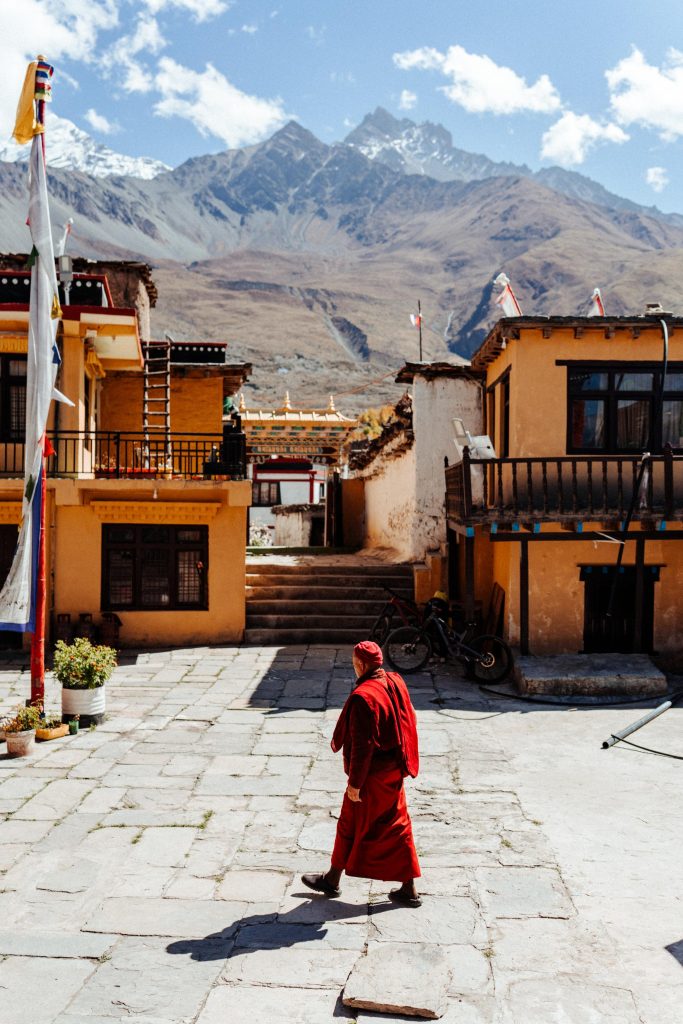
Until 1992, no outsider was allowed in. The walls are still standing. The chortens still guard the passes. And the trails untouched, raw, sky-high are still waiting.
Upper Mustang doesn’t just feel remote. It feels like riding somewhere the modern world forgot to reach.
Duration: 14 Days
Difficulty: Intermediate – Advanced
Best Season: Sep-Nov/Mar-May
Max Altitude: 4,100 m (Dadhunka Pass)
Group Size: 4-10 Riders
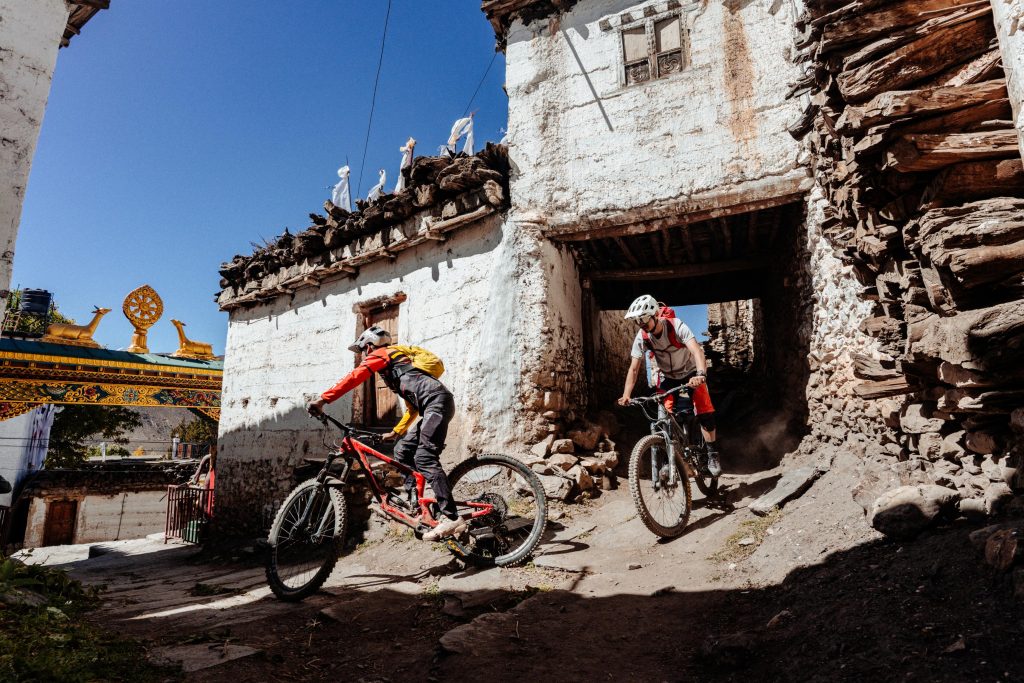
Carved by wind, worn by yaks, ridden by very few. Lower Mustang is ancient desert terrain at altitude canyon walls, mud-brick villages, and singletrack that existed long before mountain bikes did.
You don’t just ride this place. You move through a thousand years of history on two wheels.
Duration: 13 Days
Difficulty: Intermediate – Advanced
Best Season: Sep-Nov/Mar-May
Max Altitude: 4,100 m (Lupra Pass)
Group Size: 4-10 Riders